The Pinches Yeasts of Mezcal
(According to the Royal Spanish Academy, “Pinche” refers to a person who provides auxiliary services in the kitchen.)
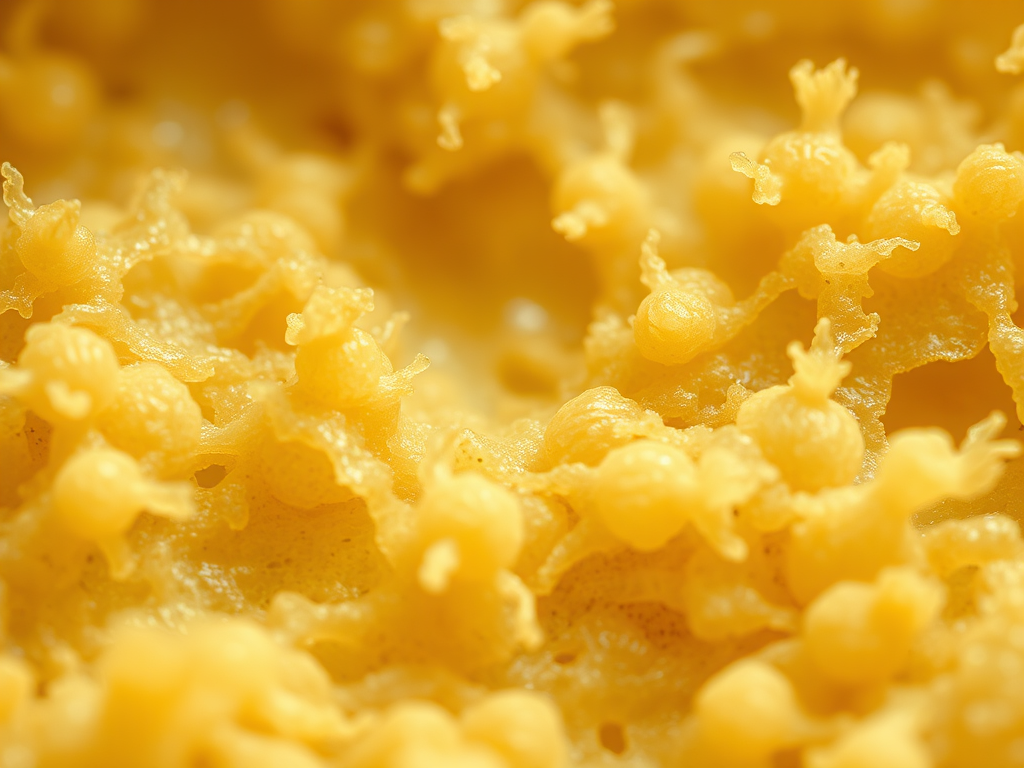
Yeast refers to a living organism, typically a unicellular fungus measuring around 2 to 4 micrometers (μm), which produces enzymes that trigger significant biochemical changes in natural organic products (fermentation). They have the ability to convert sugars into alcohol and CO₂, reproducing through budding or fission approximately every three hours. There are different species of yeast, primarily including Saccharomyces cerevisiae, Kluyveromyces fragilis, Torulaspora, and Zymomonas mobilis.
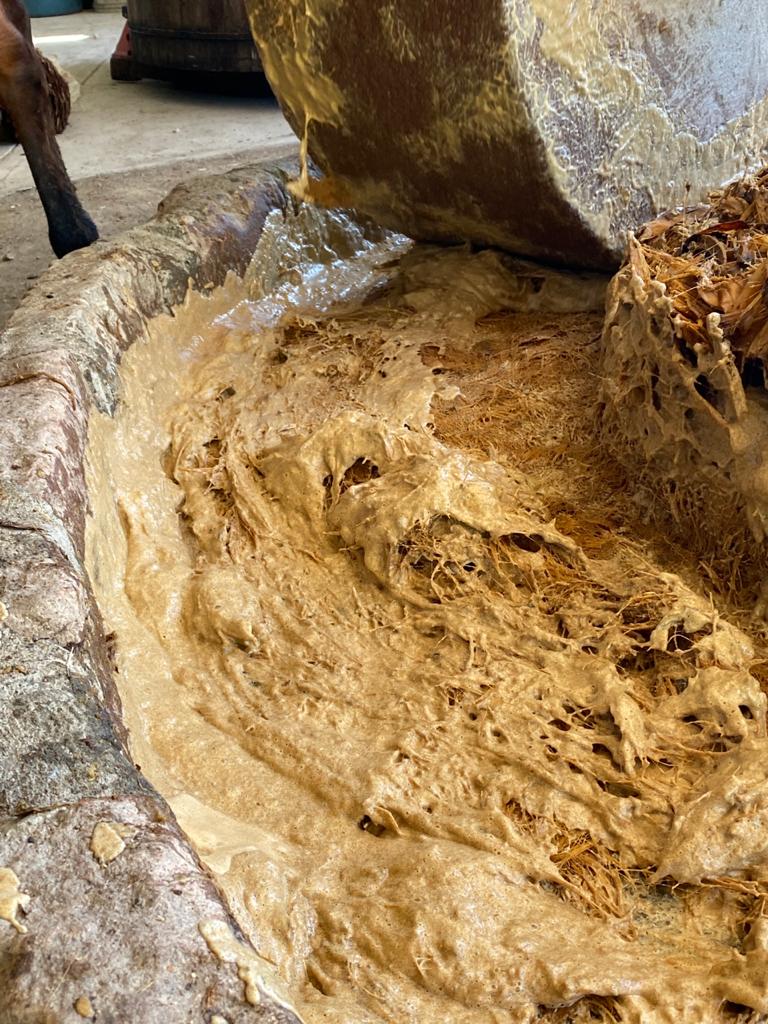
Once the maguey is cooked in underground conical ovens or masonry ovens, it is ground using different methods depending on the region and the producer. In some places, it is ground finely, while in others, it is left coarser. This decision is made by the Maestro Mezcalero, and it significantly influences the fermentation time. Immediately afterward, the ground agave is placed in open vats where warm water (40°C) is added, marking the beginning of the most fascinating part of mezcal production: fermentation.
In artisanal and ancestral mezcal, fermentation must be a natural process. It should not be accelerated or controlled by any external means beyond its own metabolic development. In other words, nature is allowed to do its work.
Fermentation, or la vie sans l’air (life without air), is a metabolic process that occurs in the complete absence of oxygen, driven by the activity of certain microorganisms (yeasts, molds, and bacteria). These microorganisms break down carbohydrates (sugars and other compounds) to produce ethanol and methanol as final products. These yeasts contribute significantly to mezcal’s flavor.
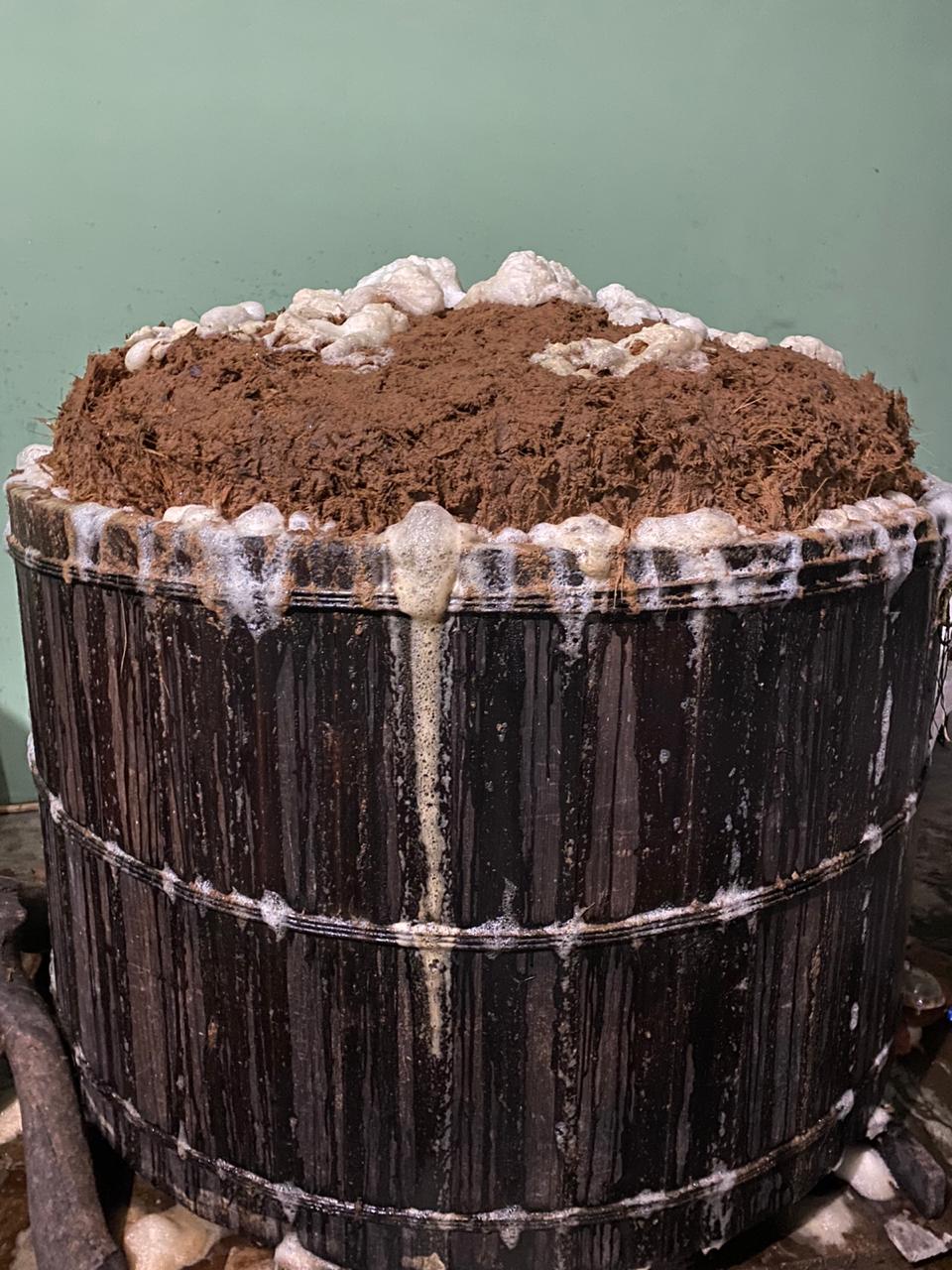
If we were to take a deep dive into a fermentation vat—left exposed under ideal temperature conditions—we would see yeasts and other microorganisms quickly appearing, competing fiercely for nutrients (voir sucres).
If the temperature remains warm and constant, the yeasts will dominate over other germs. However, this is not always the case. If the vat’s temperature drops, germs may take advantage, transforming certain sugars into lactic acids, which in turn impart interesting lactic notes to the mezcal. Notably, yeasts present at different depths within the fermentation vat will vary, contributing to the unique flavor of each batch of mezcal.
Anyone who has visited a palenque, taberna, or vinata knows that Maestros Mezcaleros meticulously tend to their fermentation vats. They cover them when it’s cold, move them when necessary, and, of course, clean them thoroughly between productions to prevent unwanted flavors. For instance, Maestro Mezcalero Alberto Morales of Wahaka Mezcal prohibits using foul language near his fermentation vats. Others speak kindly to them, and some, mezcal in hand, even sing to them…
A fun way to imagine the yeasts inside a fermentation vat is to picture them as stray dogs storming a butcher shop: Which ones go for the pork? How many and which ones prefer beef? Do they fight among themselves? Do they kill each other? Who eats more? Who eats less? Who leaves? Do they form alliances? And just like that, these ravenous yeasts always impart a distinctive character to our mezcals.
In industrial mezcal, things work differently, as producers are allowed to manipulate and intervene in this part of the process. According to a study by Nolasco Cancino et al., “Predominant Yeasts During Artisanal Mezcal Fermentation and Their Capacity to Ferment Maguey Juice” (2018), with a solid understanding of different yeast strains and the flavors they contribute to mezcal, the possibilities for enhancing taste and character become endless. This could be an intriguing avenue for exploration. Will we see this in the future?
Long live the pinches yeasts—the Maestro Mezcalero’s great kitchen assistants!
Disclaimer: This article was originally written by Eduardo Belaunzaran and published in Spanish on September 25, 2020.
References:
- Espinoza Martinez et al., “Levaduras Presentes en la Fermentación del Mezcal Artesanal de San Dionisio Ocotepec”, 2019. ResearchGate
- Nolasco et al., “Predominant Yeasts During Artisanal Mezcal Fermentation and Their Capacity to Ferment Maguey Juice”, 2018. Frontiers in Microbiology
- La levadura Pasteleria.com
- Manuel R. Kirchmayr et al., “Impact of Environmental Conditions and Process Modifications on Microbial Diversity, Fermentation Efficiency, and Chemical Profile During the Fermentation of Mezcal in Oaxaca”, 2016.
- Nermina Spaho et al., “Effects of Distillation Cut on the Distribution of Higher Alcohols and Esters in Brandy Produced from Three Plum Varieties”, 2013.
 MEZCALEANDO